Outdoor Cats
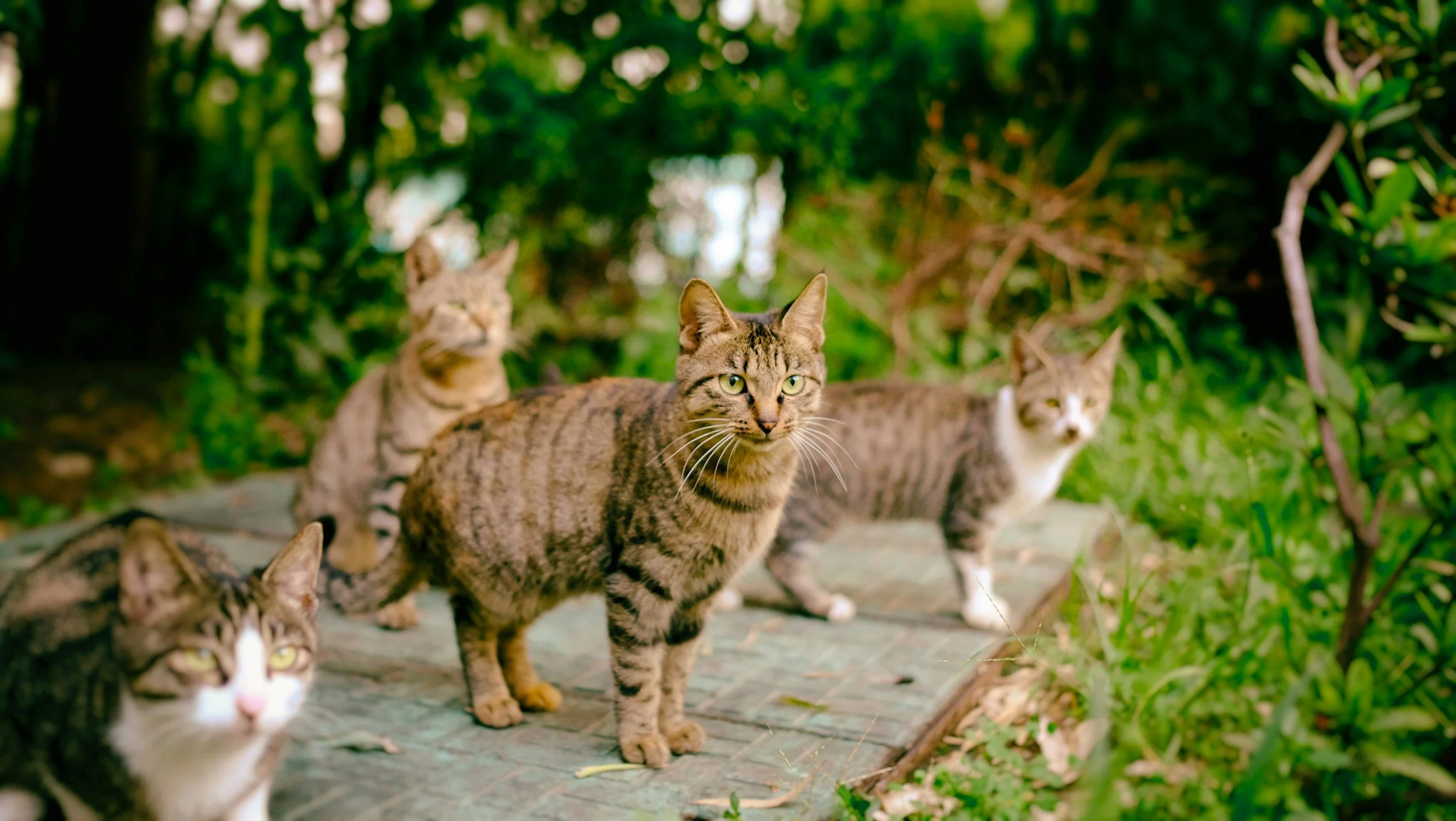
Whether you’re a dedicated colony caretaker, a bird enthusiast, or a neighbor just trying to keep paws off your patio furniture, we know that community cats are a significant part of life in the big city.
Living alongside outdoor cats—both friendly roamers and wary ferals—is a complex experience. We understand that this topic often comes with a mix of deep compassion and understandable frustration.
Balancing Care and Community
In Shaw Butte, we see the full spectrum of the "outdoor cat" experience:
The Caretakers: Neighbors who invest their own time and resources to feed, shelter, and provide medical care for local colonies.
The Concerned: Residents worried about the impact on local wildlife, garden hygiene, or the late-night noise of territorial disputes.
The Animals: Cats that, through no fault of their own, find themselves navigating the desert heat and urban hazards of Phoenix.

Our Goal: Sustainable Coexistence
We believe the best way forward is through informed, humane management. Our goal isn't just to talk about the "cat problem," but to provide the Shaw Butte community with the tools to stabilize populations, reduce nuisance behaviors, and ensure these animals are treated with dignity.
On this page, you’ll find resources for:
Trap-Neuter-Return (TNR): The most effective way to humanely reduce the population over time.
Deterrence Strategies: Friendly ways to keep cats out of your yard or garden.
Local Support: Connecting with Phoenix-based organizations that offer low-cost spay/neuter and vaccination services.
A Note on Empathy: Whether you love them or simply want to live in peace without them, we are all neighbors. By working together on humane solutions like TNR, we can reduce the number of cats on the street and improve the quality of life for everyone in Shaw Butte.
Humane Deterrence: Keeping Cats Out of Your Space
If you’re frustrated by cats digging in your desert landscaping or lounging on your car, there are several effective, non-harmful ways to reclaim your space.
Scent Repellents: Cats have sensitive noses. Scattering dried orange peels, coffee grounds, or planting Lavender, Rue, or "Scaredy Cat Plant" (Coleus Canina) can act as a natural "keep out" sign.
Physical Barriers: Use "chicken wire" or plastic garden fencing just under the surface of the soil to prevent digging.
Motion-Activated Tools: Devices like the "ScareCrow" (a motion-activated sprinkler) or ultrasonic sound emitters are highly effective at discouraging cats from entering specific zones without causing them harm.
The "Clean Slate" Method: Use an enzymatic cleaner (available at pet stores) to clean areas where cats have sprayed. This removes the pheromones that tell them—and other cats—to keep returning to that spot.
Trap-Neuter-Return (TNR): The Gold Standard
The most effective way to reduce the number of cats in our neighborhood is TNR. This process stops the breeding cycle and eliminates many "nuisance" behaviors like howling, fighting, and spraying.
1
ACTION
Trap—Humanely catch the cat using a box trap.
BENEFIT
Safe transport for the animal.
2
ACTION
Neuter—A vet performs spay/neuter surgery and "ear-tips" the cat.
BENEFIT
Stops reproduction and identifies the cat as fixed.
3
ACTION
Return—The cat is released back to its original home territory.
BENEFIT
Prevents new, un-fixed cats from moving into the vacuum.