Why More Cars on the Curb Might Actually Mean Safer Streets for Shaw Butte
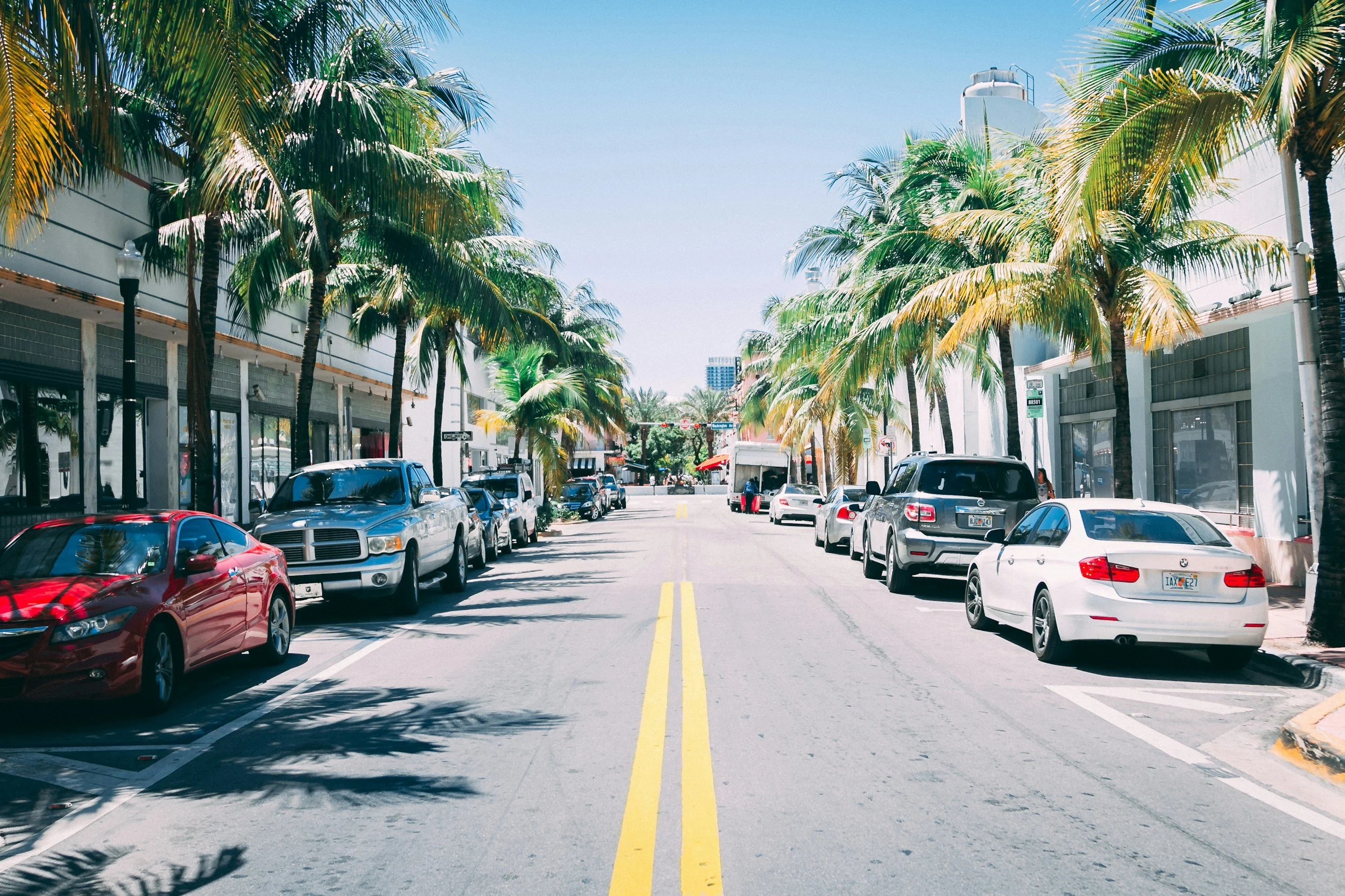
When you’re driving through the neighborhood, a line of cars parked along the curb might feel like a nuisance—a literal obstacle course on your way home. Most of us have been conditioned to think that wide-open, empty streets are the gold standard for urban design.
But urban planners and safety experts are uncovering a counterintuitive truth: On-street parking is one of the most effective, "low-tech" safety features a neighborhood can have.
For our community in Phoenix, understanding the hidden benefits of the curb can change how we view our local infrastructure. Here is why those parked cars are actually working overtime to keep you and your family safe.
1. The "Side Friction" Effect (Natural Speed Limits)
The primary killer on residential streets is speed. When a road is wide and clear, drivers subconsciously feel like they are on a highway, leading to "speed creep."
On-street parking creates what planners call "side friction." By narrowing the perceived visual field of the driver, it naturally encourages them to slow down. When the street feels "tight," drivers become more alert and tap the brakes, reducing average speeds without the need for aggressive speed bumps or expensive enforcement.
2. A Physical Shield for Pedestrians
If you’re walking a dog or pushing a stroller along the sidewalk, you are remarkably vulnerable. On-street parking creates a steel barrier between moving traffic and human beings.
The Buffer Zone: A line of parked cars provides several feet of heavy metal protection. If a moving vehicle loses control, it hits a parked car rather than a pedestrian on the sidewalk.
Psychological Comfort: People are more likely to walk and engage with their neighborhood when they feel protected from the "whoosh" of passing traffic.
3. Shorter Crossing Distances
Have you ever noticed "curb extensions" or "bulb-outs" at intersections? These are often designed to align with the parking lane. By utilizing on-street parking, the "active" roadway narrows. This means when a pedestrian decides to cross the street, they have a shorter distance to travel while exposed to moving traffic.
4. Increased "Eyes on the Street"
On-street parking is a sign of life. It usually means people are visiting local businesses, coming home from work, or hosting neighbors.
This activity leads to more "eyes on the street," a term coined by urbanist Jane Jacobs. When people are frequently getting in and out of cars, walking to their front doors, or feeding a meter, it creates a self-policing environment that discourages crime and reckless behavior.
The Shaw Butte Perspective
As we continue to advocate for a more walkable, vibrant city, we should stop viewing the curb as just a place to "store" cars. Instead, we can see it as a tool for Traffic Calming. By embracing well-managed on-street parking, we aren't just making it easier to visit our favorite local spots; we’re creating a buffer that makes our sidewalks quieter, our crossings shorter, and our streets significantly safer for everyone.