A Guide to Our Evolving Neighborhood: Understanding Latino Holiday Traditions
If you’ve lived in this neighborhood for a long time, you might have noticed the sights and sounds on our streets are changing.
Welcoming new families means getting used to different traditions, and while things might look or sound a bit different than what you’re used to, you’ll find that at the heart of it, we all value the same things: family, faith, and hard work.
Here is a quick look at what to expect as our Hispanic neighbors celebrate their heritage throughout the year
Celebrations are a Family Affair
In Hispanic culture, a party isn’t just for a few hours—it’s an event for the whole extended family. These gatherings tend to be louder and more colorful, often lasting into the late evening or even for a couple of days. It’s a sign of a close-knit family that truly enjoys being together. If you hear music or laughter drifting over the fence, know that it’s simply the sound of a family making memories.
A Deep Respect for Faith
For many Hispanic families, these celebrations aren't just social—they are spiritual. You will likely see life-size nativity scenes (Nacimientos) proudly displayed in front yards. This deep respect for the Christmas story is a beautiful reminder of the shared values that have kept our neighborhood strong for generations.
Understanding these traditions is the first step toward being a good neighbor. By showing a little patience with the noise and a warm smile for the festivities, we can keep our community a welcoming place for everyone.
Additional Things to Note
The "Open Door" Policy: Latino culture often emphasizes "the more, the merrier." Celebrations are rarely quiet, as they involve extended family, godparents (compadres), and friends.
The Food: The smell of roasting chilies, slow-cooked pork, and fresh tortillas is a hallmark of these gatherings.
The Music: Whether it’s Mariachi, Norteño, or modern Latin pop, music is the heartbeat of the home.
Special Holiday Celebrations You May Notice
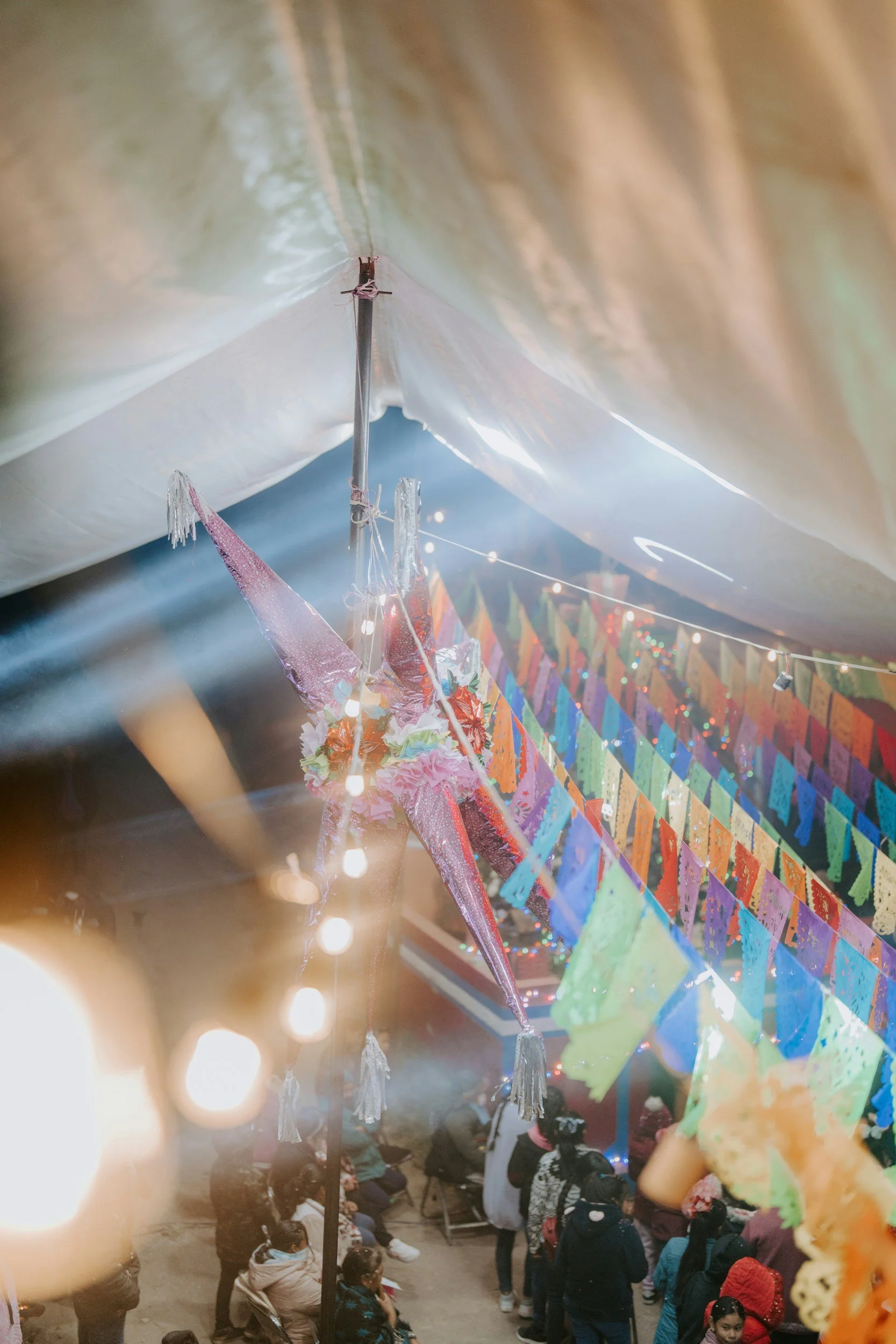
The Winter Season: Las Posadas and Christmas
In many Latino households, the "holiday season" is an extended marathon of hospitality.
Las Posadas (Dec 16–24): This tradition reenacts Mary and Joseph’s search for shelter. Small processions might move through the street, singing carols and stopping at a designated house for prayer, tamales, and ponche (a hot fruit punch).
Nochebuena (Christmas Eve): For many Mexican families, the "big" celebration happens on the night of the 24th. Expect late-night festivities, as many families stay up until midnight to open gifts and eat a feast after attending late-night Mass.
Three Kings Day (Jan 6): You might see families gathering to share a Rosca de Reyes (a sweet round bread). Whoever finds the tiny plastic baby hidden inside the bread is tasked with hosting a party on February 2nd!
New Year’s Eve: Traditions for Luck
If you see a neighbor running around the block at midnight with an empty suitcase, don't worry—they haven't lost their mind! This is a traditional "superstition" meant to ensure a year full of travel. You may also see neighbors eating 12 grapes at midnight (one for each chime of the clock) to bring good luck for the coming months.
Spring and Heritage: Cinco de Mayo and Beyond
Cinco de Mayo: Contrary to popular belief, this isn't Mexican Independence Day (which is September 16th). In the U.S., it has become a broad celebration of Mexican-American culture. Expect backyard barbecues (carne asada), festive music, and community pride.
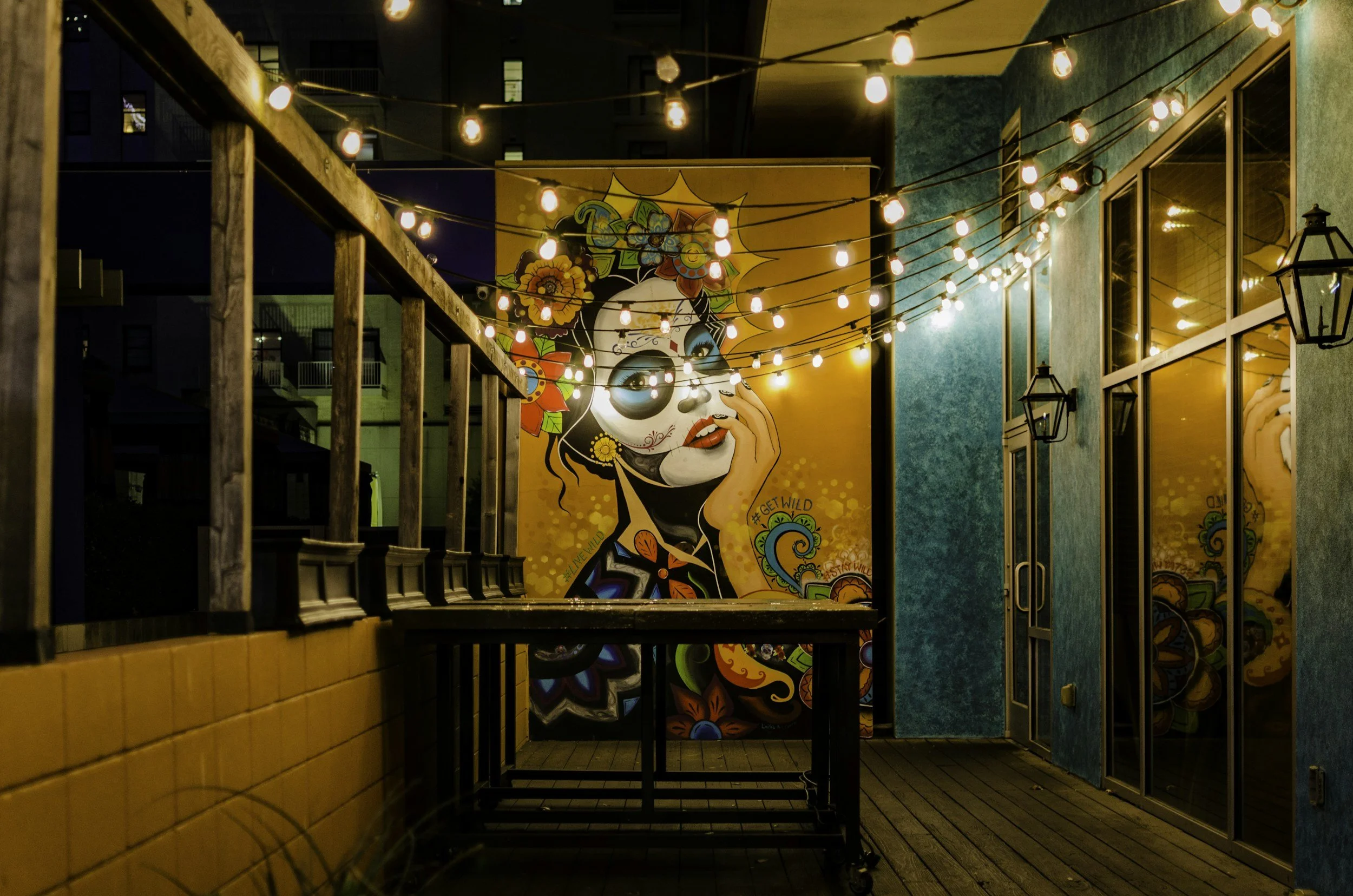
Day of the Dead (Nov 1–2): You may notice colorful altars (ofrendas) in windows or on porches, decorated with marigolds, candles, and photos of deceased loved ones. It is a celebratory time of remembrance, not a somber or "spooky" event.
Family Milestones: The Quinceañera
While not a holiday on the calendar, the Quinceañera is perhaps the most significant private celebration you’ll see. It marks a girl’s 15th birthday and her transition into womanhood.
What to expect: You will likely see neighbors dressed in formal attire, a young woman in a ballgown (often resembling a colorful wedding dress), and a larger-than-usual backyard gathering or a parade of cars.
The Vibe: These are joyful, multi-generational events featuring traditional food, choreographed dances, and plenty of music.
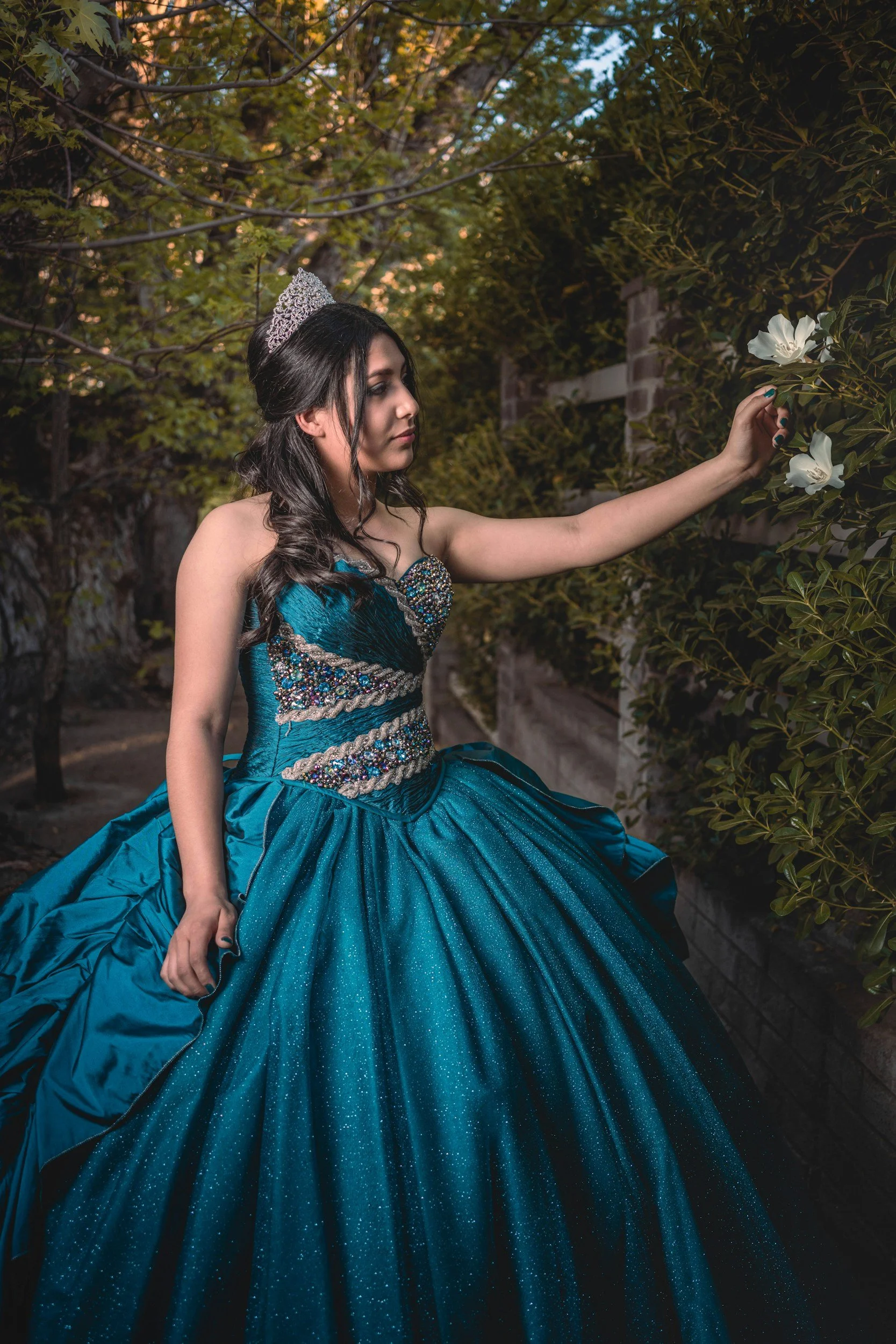
Stock photo of a young woman in a Quinceañera dress.